THE TRACT
One plot, many lots
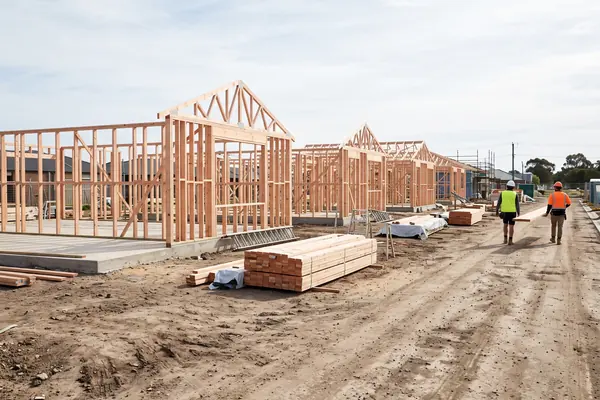
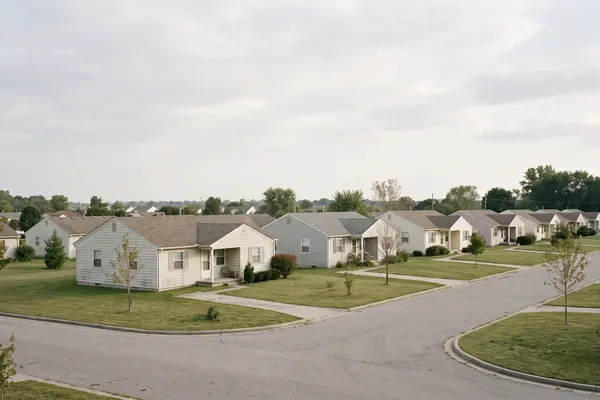
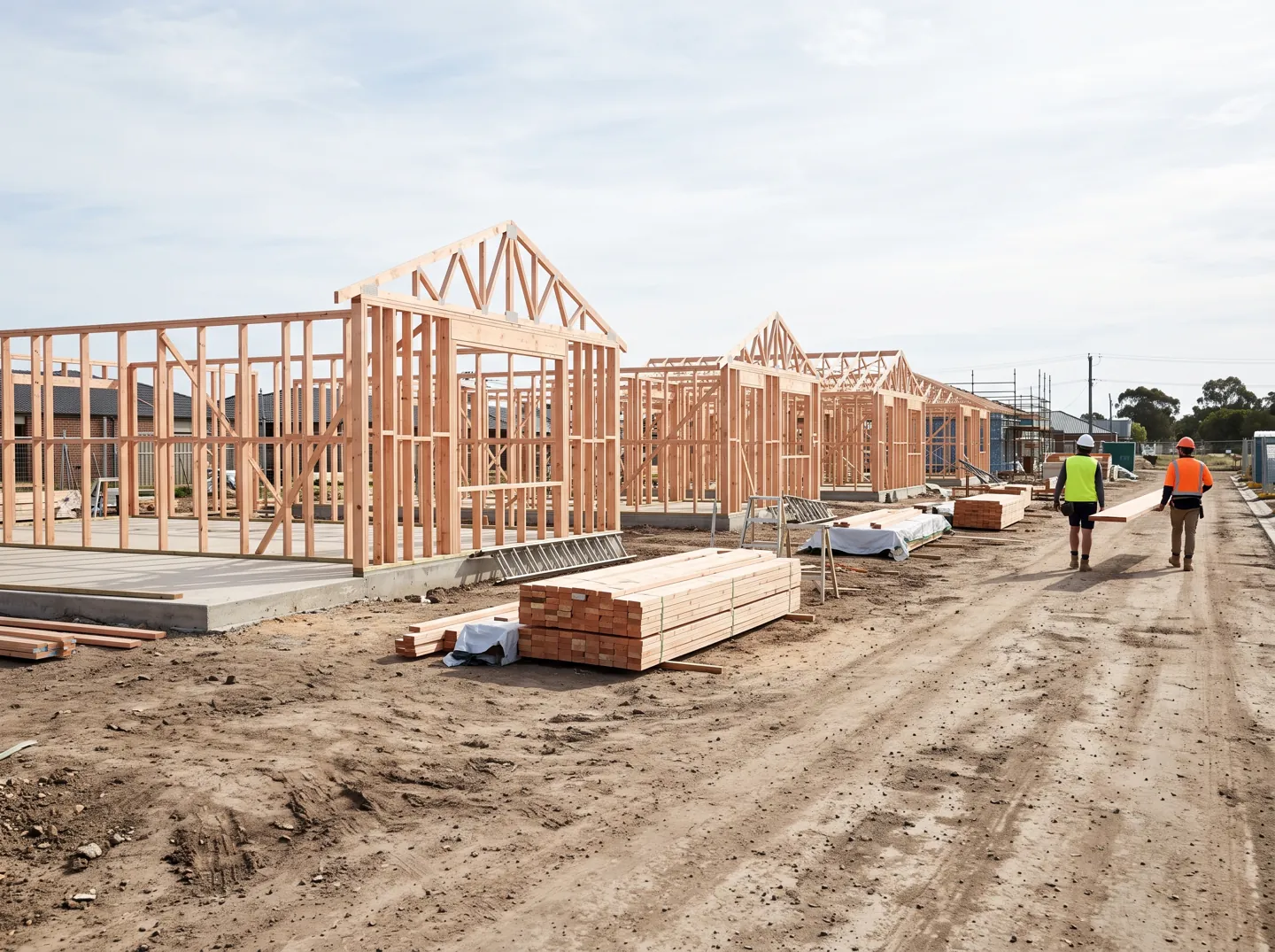
Tract housing means many similar houses built on one tract of land divided into lots. Using few designs meant workers learned each job once, and supplies were bought in bulk.
How it worked doodletract
POST-WAR MASS HOUSING
In the late 1940s, there were not enough homes and not enough builders.
Compare prefabs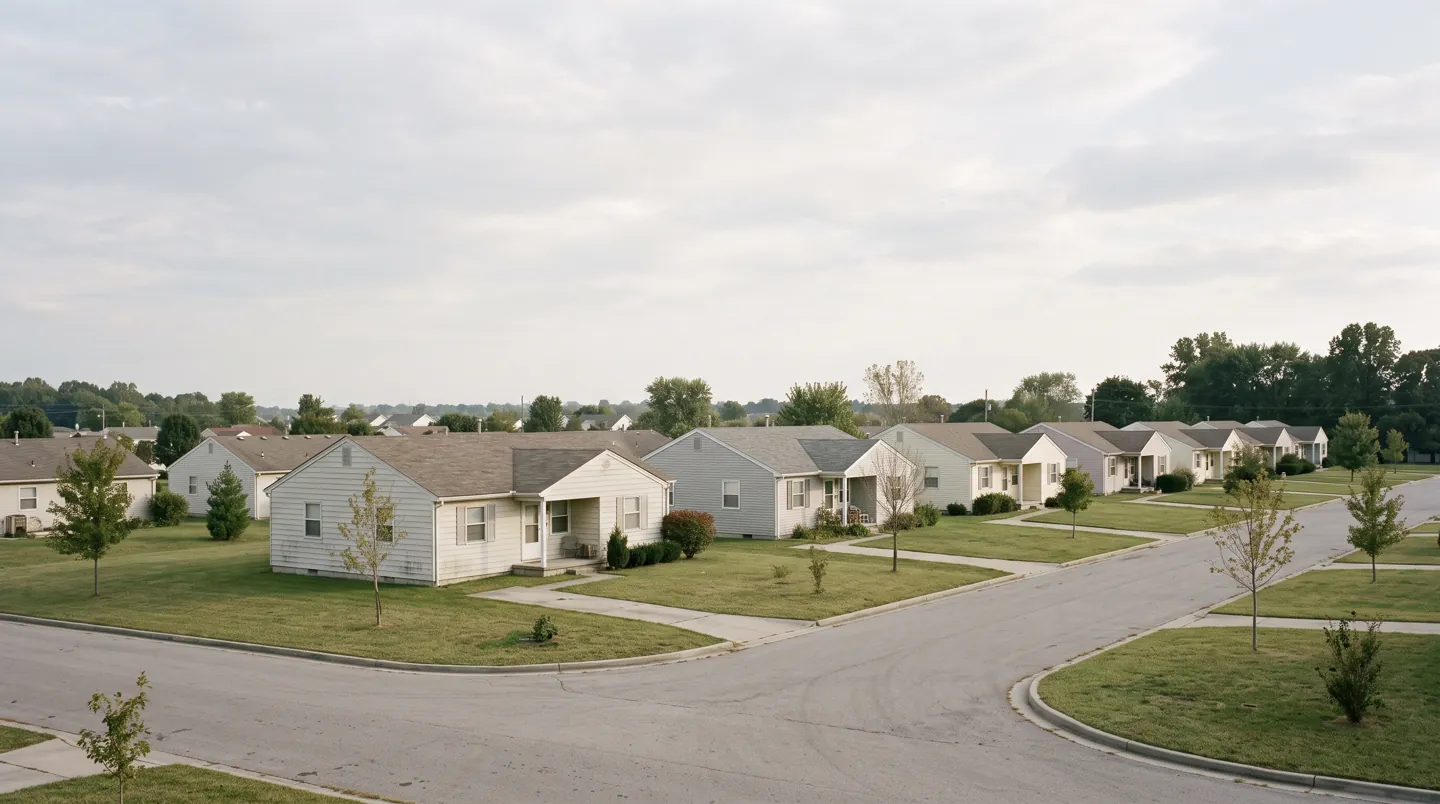
ONE DESIGNbuilt thousands of times
On both sides of the Atlantic the answer was the same idea: repeat a few designs, make the parts in factories and send crews down the street doing one job each. The results still shape our suburbs.
At a glance
156,623
Prefab bungalows built in Britain, 1945 to 1949
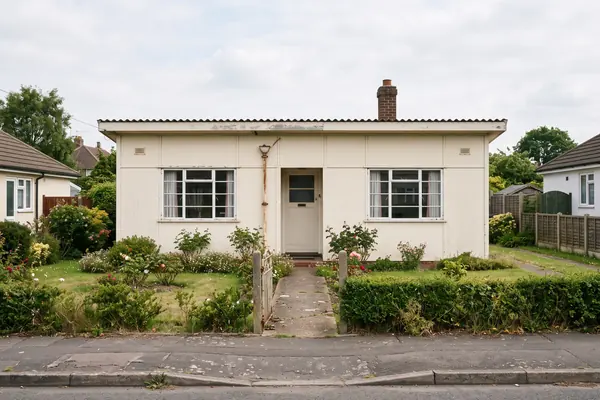
The 1944 Housing (Temporary Accommodation) Act allowed up to £150 million for temporary homes and aimed for at least 300,000 in two years. More than 200,000 homes had been destroyed by bombing.
PREFABS · HISTORIC ENGLAND
30 a day
Houses finished per day by July 1948
Pre-cut timber, concrete slab floors and specialised crews let the builders reach this rate. Around 17,400 houses were built at Levittown, which opened in 1947.
LEVITTOWN · NEW YORK
TWO NUMBERS WORTH KNOWING
One figure from Britain's prefab programme,
one from America's first mass-produced suburb.
Historic England notes that nearly 500,000 permanent homes were also built in Britain in the first decade after the war using some form of prefabrication.
A QUICK PREFAB CHECK
Pick a post-war prefab design to see what it was made of and how many went up. The bar shows how widely it was built compared with the others.
Figures from Historic England's history of prefabs. Counts are for Britain.
THE SHORT ANSWER
Three ideas made mass housing possible.
All of them came from the factory floor.
THE TRACT
Tract housing means many similar houses built on one tract of land divided into lots. Using few designs meant workers learned each job once, and supplies were bought in bulk.
How it workedTHE LINE
At Levittown, New York, building was split into 27 steps, each done by its own crew, according to the local museum's curator. By July 1948 the firm was finishing 30 houses a day.
See the numbersTHE PREFAB
Britain built 156,623 prefab bungalows between 1945 and 1949, meant to last about a decade. Around 8,000 are thought to survive, and some are listed.
Compare prefabs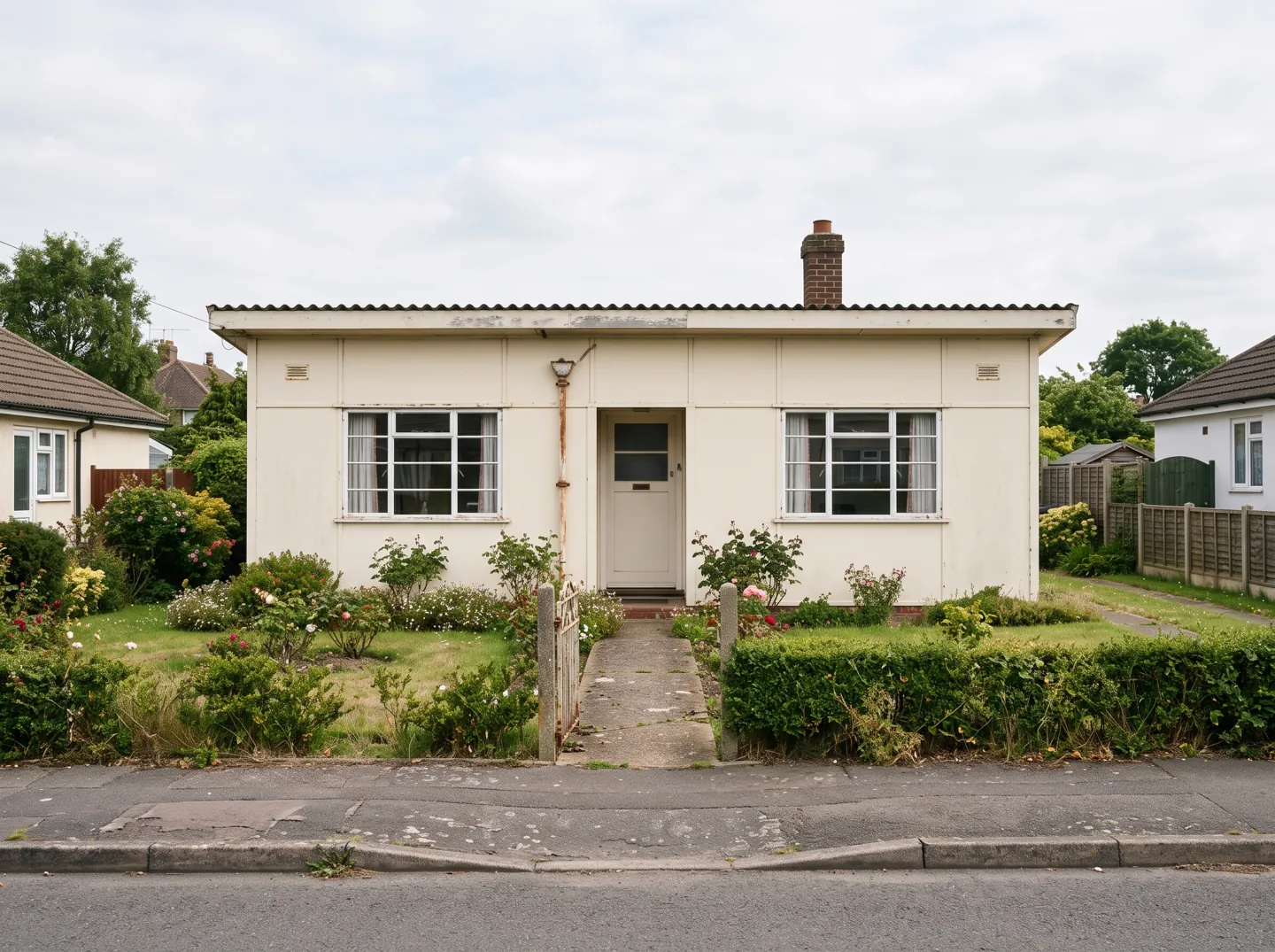
THE METHOD, STEP BY STEP
Tract estates and prefab sites used the same basic recipe, whether the plot was a Long Island potato field or a cleared bomb site.
Roads, drains, utilities and bases went in first. British councils had to secure prefab sites by December 1945.
Repeating a handful of plans meant crews learned each task once and materials could be bought in bulk.
Pre-cut timber, roof trusses, wall panels or whole aluminium sections arrived ready to fit.
Each crew did one job, such as pouring slabs or plumbing, then moved to the next house.
THE OTHER SIDE
Tract estates made homes affordable to many more people, but planners and architects criticise them for lacking shops, jobs and services within walking distance, which leaves residents relying on cars.
At Levittown, homes were at first sold only to white families, in line with Federal Housing Administration policies of the time. In Britain, many 'temporary' prefabs outlived their ten-year plan and are still lived in today.
Questions
A development where many similar houses are built on one area of land divided into smaller lots. It grew in the 1940s when demand for cheap housing soared, and is sometimes called cookie-cutter housing.
Builders used few designs, so workers repeated familiar tasks, and they bought materials in bulk. Parts such as roof trusses, plumbing and stairs are often made in factories and fitted on site.
The builders reached 30 houses a day by July 1948, using pre-cut timber, concrete slabs and crews that each did one step. Levittown, New York, opened in 1947.
Factory-made bungalows built after the Second World War as a stopgap, meant to last no more than a decade. 156,623 were built between 1945 and 1949, with fitted kitchens and indoor bathrooms.
Yes. The Prefab Museum estimates around 8,000 remain, with about 30 listed, including 16 Phoenix prefabs in Moseley, Birmingham, listed in 1998.
Sources
ABOUT THIS NAME
doodletract.com is part of the DoodleSale portfolio. It isn't in an auction right now, but you can ask about leasing it.